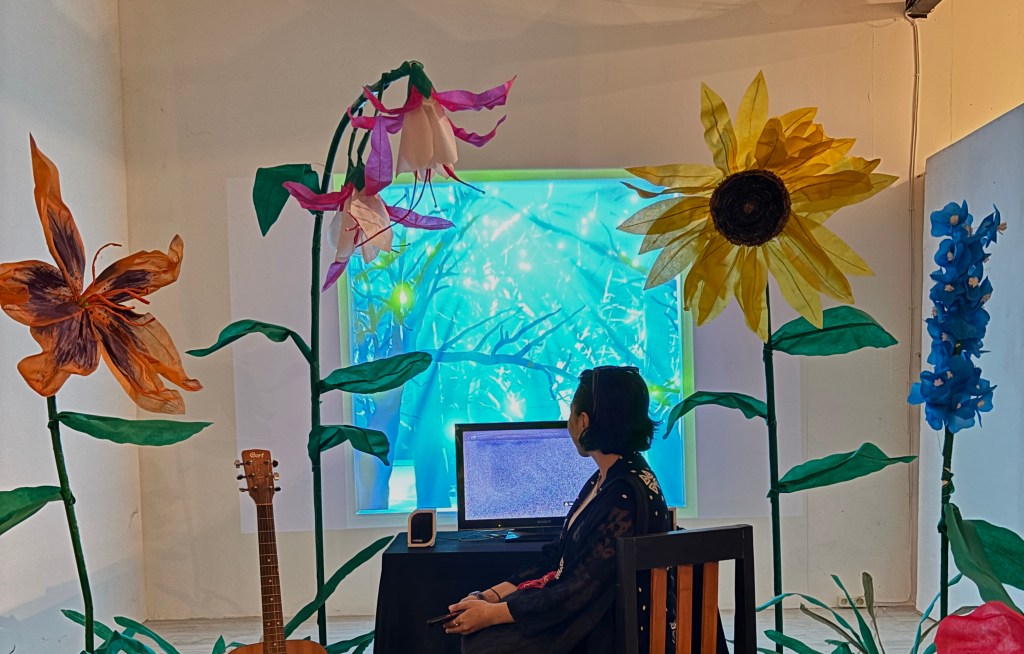
Childlike: You Were Born Already Knowing How to Wonder
We didn’t lose it. We just stopped letting ourselves need it.
Lately, I keep bumping into two words: “childlike” and “inner child.” They show up in conversations, in things I read, in the quiet moments when I’m trying to make sense of something I can’t quite name. I’m in my thirties now, and I’ll be honest, a younger version of me would have scrolled past both without a second thought. Too soft. Too self-helpy. But something made me stop this time and ask what they actually mean.
There is a specific kind of embarrassment that comes with being in your thirties and still being moved by small things. A sunset seen through an airplane window and you reach for your phone the same way you did the very first time, like you haven’t seen a hundred sunsets since. A fish that swims close while you’re snorkeling, and suddenly you don’t want the hour to end, you want to stay down there just a little longer, the way a kid refuses to leave the pool. A story you post on Instagram, not for likes, not for an audience, but because you genuinely loved the moment and wanted to put it somewhere real. You notice it, it lands in your chest and then, almost immediately, something else kicks in. A quiet self-editing. Don’t be dramatic. Don’t overshare. People will think you’re too much.
We have built a world that removes the need to wonder. And in doing so, we’ve made it harder to feel.
Wondering is not the same as not knowing. For me, wondering is the act of sitting with a question long enough that it starts to teach you something. Or sometimes it starts even simpler than that, just asking why. Just asking how. Two questions that children ask constantly, and that most of us quietly stop asking somewhere along the way. Not because we lost interest in the answers, but because we got a little afraid of where the questions might lead. Toward a conclusion we’re not ready for. Toward the unsettling feeling of not knowing, so we skip the wondering entirely.
What childlike actually means “Childlike” is a word that gets misused. People hear it and think naive. Unguarded. Too open in ways that adults have learned but that’s not what it means to have childlike wonder. For me, being moved by ordinary things is a sign you’re paying attention to the right world, the one that’s actually here, not the curated version you’re meant to be impressed by. That excitement should be proportionate.
“Childlike wonder isn’t about being naive. It’s about staying receptive, choosing to still be amazed, instead of moving through life on autopilot.”
The permission you don’t need to wait for You are allowed to be moved by a small thing, without apology. You are allowed to share it without justifying why it matters. You are allowed to wake up in your thirties, or your forties, or your sixties and still feel that specific, clean thrill of noticing something as if for the first time. The morning light. The way someone tells a story with their hands. None of this is naive. None of it is oversharing. It is the practice of staying human in a world that increasingly offers us the option not to feel anything that takes more than a second to resolve.
When we stop wondering Empathy requires imagination. It asks you to extend yourself into someone else’s experience, to wonder, genuinely, what it might feel like to be them. But we live in a time that gives imagination very little to do. Every question answered immediately. Every discomfort soothed before it becomes interesting. When we stop wondering, we don’t just lose curiosity. We lose the ability to feel our way into another person’s life. And that is how empathy quietly disappears not dramatically, but gradually, in all the small moments we chose the shortcut instead.
Begin your days with the same openness you had as a child, curious without needing a reason, excited by small things, not yet weighed down by routine, pressure, or expectations. Not because life hasn’t shown you difficulty. But because it has, and you are choosing to remain open to it anyway.